Meteosat Third Generation (MTG): The (r)evolution of European geostationary weather observations for decades to come
Speaker:Dr. Jochen Grandell EUMETSAT (European Organisation for the Exploitation of Meteorological Satellites), Darmstadt
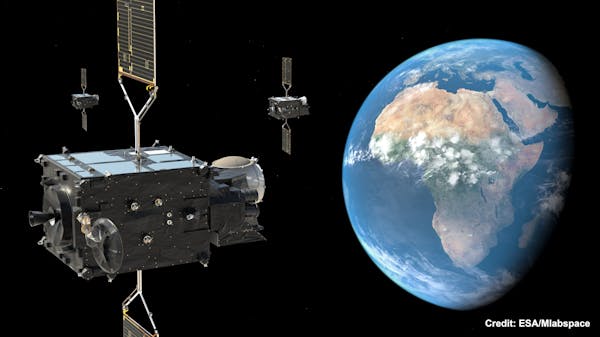
Abstract: Europe’s ability to observe and forecast weather from space is entering a new era. In the first lecture, Dr. Jochen Grandell from EUMETSAT will introduce the Meteosat Third Generation (MTG) satellite system - a major step forward in geostationary meteorological observation. He will provide a brief overview of EUMETSAT’s mission and activities, then explore how MTG builds on the legacy of previous generations to deliver revolutionary data for weather forecasting and climate monitoring. The lecture concludes with a look ahead to the next milestone: the launch of the second MTG satellite in July 2025.
Lecture 2 - 5 June 2025 - 18:00
TURM Observatory: Chasing Stars and Other Things
Speaker:Prof. Dr. Robert Roth, Department of Physics, TU Darmstadt, Darmstadt
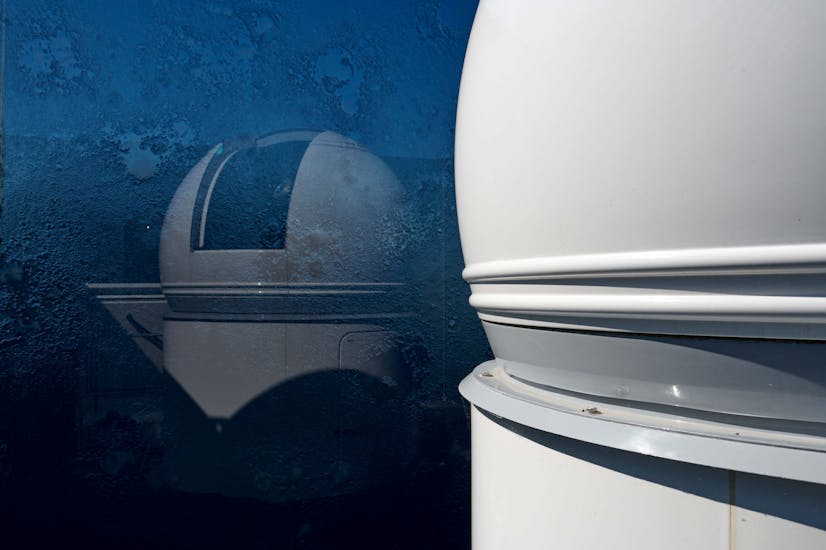
Abstract: In our next lecture, Prof. Dr. Robert Roth from the Department of Physics at TU Darmstadt will take us on a journey through the cosmos — without ever leaving Earth. The TURM Observatory, a state-of-the-art facility located on the downtown campus of TU Darmstadt, opens new frontiers in both astronomical observation and student engagement. From tracking distant stars to monitoring near-Earth objects, the observatory serves both research and education. What makes TURM (TU Darmstadt ReMote) Observatory special is the possibility to operate it completely remotely. The observer can be anywhere, e.g., in a lecture hall, and operate the complete facility live and interactively.
Lecture 3 - 3 July 2025 - 18:00
Active Debris Removal – The Next Level Challenge of Space Missions
Speaker: Dr.-Ing. Christian Steimle ClearSpace-1 Project Manager, European Space Agency
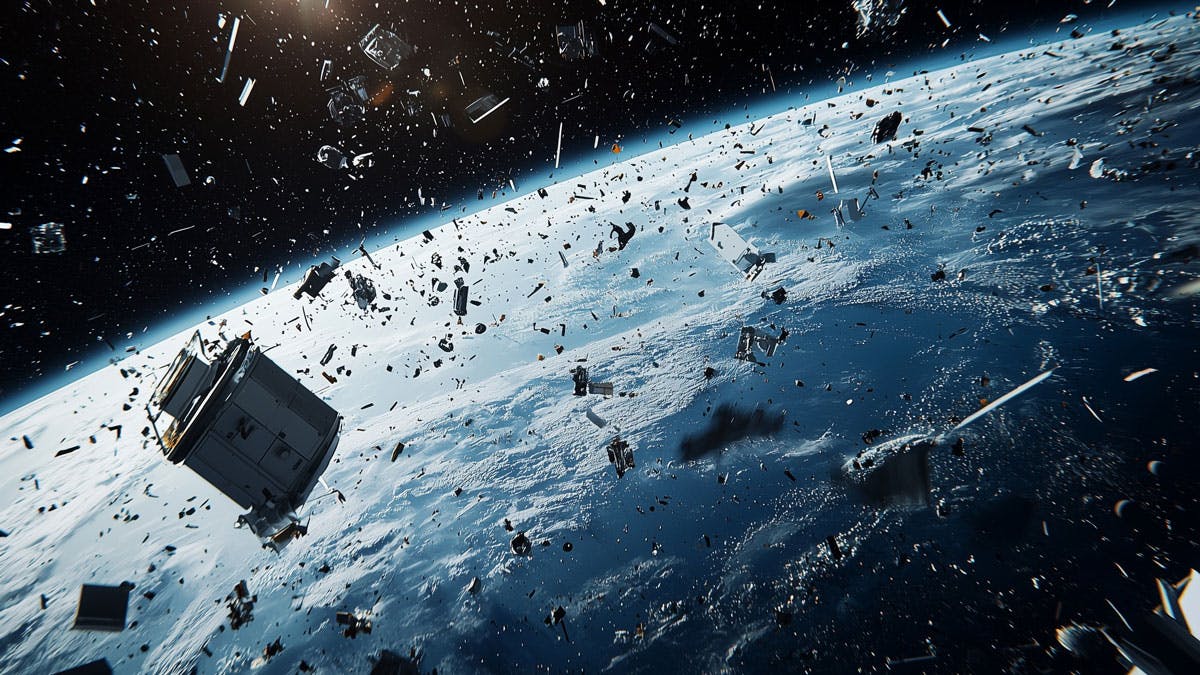
Abstract: As space activities continue to expand, the growing accumulation of debris in Earth’s orbit poses a significant risk to both current and future missions. In this lecture, Dr.-Ing. Christian Steimle, Project Manager of the ClearSpace-1 mission at the European Space Agency (ESA), will present the need for active debris removal (ADR) and examine the associated technological and operational challenges. Highlighting the ClearSpace-1 project—ESA’s pioneering effort to capture and deorbit defunct space objects—he will explore innovative solutions for removing debris and discuss how ADR represents a critical step toward ensuring the long-term sustainability of space operations.
Lecture 4 - 17 July 2025 - 18:00
Is space radiation a showstopper for the mission to Mars?
Speaker: Prof. Dr. Marco Durante Biophysics Department, Director, GSI Helmholtzzentrum für Schwerionenforschung, Darmstadt Full professor of Physics, Institut für Physik Kondensierter Materie, TU Darmstadt, Darmstadt
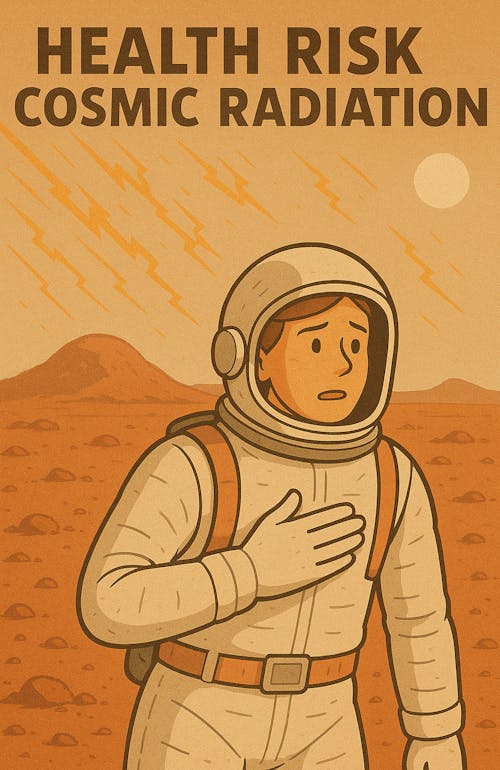
Abstract: As humanity sets its sights on crewed missions to Mars, one of the most formidable challenges remains exposure to space radiation. Unlike low Earth orbit, deep space travel subjects astronauts to cosmic radiation and acute solar particle events, posing significant health risks. In our last lecture, Prof. Dr. Marco Durante will explore the biological effects of space radiation and whether radiation could ultimately limit human exploration of Mars. Drawing from his biophysics research at the GSI Helmholtzzentrum für Schwerionenforschung, Prof. Durante will assess the realistic risks and potential solutions, addressing the critical question: Is space radiation a showstopper - or a solvable obstacle - for Mars missions?